



























Few beauty devices divide opinion like LED masks. Fans swear by them. Sceptics call them expensive nightlights. After testing a dozen masks over the past two years, our honest answer is somewhere in the middle: they can help, but only if your expectations are realistic.
How LED light therapy works
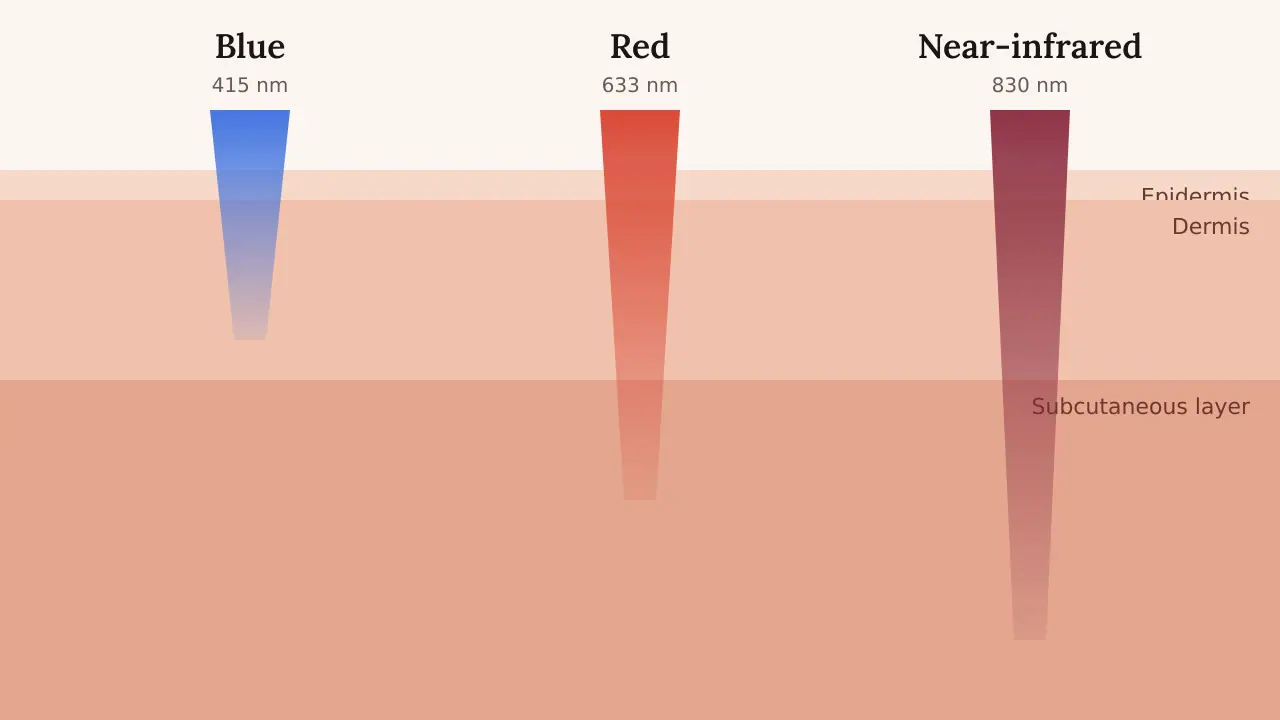
LED masks emit specific wavelengths of light, most commonly red and near-infrared for general skin quality and blue for blemish-prone skin. The idea is that these wavelengths interact with skin cells in ways that can support the skin’s natural processes over time.
What they can do
- Support a more even-looking skin tone with consistent use over several weeks.
- Help calm the look of occasional blemishes when using blue light.
- Fit easily into a routine, since sessions usually last ten minutes.
What they cannot do
- Replace sunscreen, retinoids or professional treatments.
- Produce dramatic overnight results.
- Work if you only use them once in a while.
Should you buy one?
If you are consistent with routines and enjoy the ritual, an LED mask can be a pleasant, low-effort addition. If you tend to abandon gadgets after a fortnight, spend the money on a great sunscreen instead. Our top-rated mask this year is the Aurevia Halo Pro.